
Weekly Meal Prep Checklist for Muscle Gain on a Budget
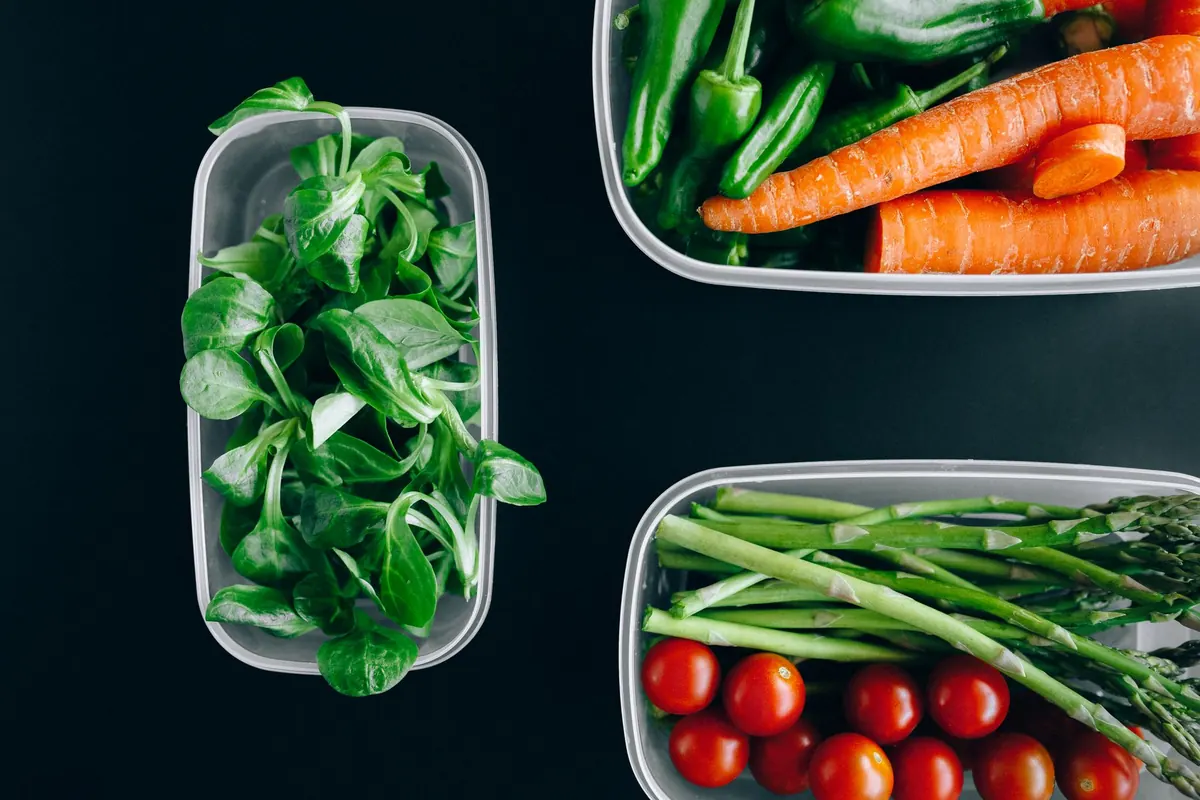
Building muscle doesn't require a supplement shelf or a butcher's budget. It requires protein, enough calories, and repetition — the boring kind that happens in your kitchen on a Sunday afternoon.
Most people who struggle to add size aren't undereating at dinner. They're undereating at 3 p.m. on a Tuesday, when the only food within reach is a vending machine. A weekly meal prep habit closes that gap, and it stops you from buying lunch five days a week, which is where most grocery budgets quietly fall apart.
Here's a checklist you can run every week, whether you're cooking for yourself or feeding a family.
Start With Two Numbers, Not a Meal Plan
Before you shop, decide on protein and calories. Everything else is decoration.
For muscle gain, a common target is roughly 1.6 to 2.2 grams of protein per kilogram of bodyweight per day, spread across three or four meals. You don't need to hit it perfectly — you need to hit it most days. A simpler version: put a palm-sized portion of a protein food in every meal, then add one protein snack on top.
Calories matter just as much. Muscle is built in a small surplus, a few hundred calories above what you burn, not a free-for-all. If your weight hasn't moved in two weeks, add a snack. If it's climbing faster than you'd like, trim one. Week by week is fast enough. If you have a medical condition, or take medication that affects your appetite or digestion, run your plan past a doctor or dietitian first.
Build the Cart Around Cheap Protein
Protein is the line item that breaks budgets, so shop it deliberately. These are consistently the most affordable ways to hit your target:
- Eggs — whole eggs, not cartons of whites. Boil a dozen on Sunday and you've solved breakfast.
- Chicken thighs — usually cheaper than breast, and much harder to overcook.
- Ground meat — turkey, beef, or pork. Buy the family pack and freeze it in meal-sized portions.
- Canned tuna and salmon — no cooking required, and useful on the days your prep runs out.
- Cottage cheese and plain yogurt — high protein per spoonful and cheap per serving compared with most snack foods.
- Milk — a glass with dinner adds protein and calories with zero effort.
- Dried lentils and beans — the cheapest protein in the store. Cook a pot and use it across the week.
- Firm tofu — takes on whatever sauce you have in the fridge.
- Whey or a plain protein powder — not required, but a tub can be economical if you genuinely struggle to eat enough.
Get in the habit of comparing cost per gram of protein rather than cost per pound of food. Lean ground beef and chicken breast look similar on the shelf and very different once you run that math.
Add Cheap Calories Without Thinking About It
Gaining size fails more often from too few calories than from too little protein. Starches and fats are your allies here because they're calorie-dense and inexpensive:
- Rice, oats, potatoes, pasta, bread, tortillas
- Olive oil, butter, peanut butter, nuts, whole milk
- Frozen vegetables and fruit — same nutrition, longer shelf life, far less waste
- Bananas, which cost almost nothing and travel well
A spoonful of peanut butter stirred into your oats, or a drizzle of olive oil over rice, adds calories without adding work. That's the goal: energy you don't have to chew through a giant bowl of salad to get.
The Sunday Checklist
Two hours of cooking covers most of the week. Work in this order so nothing sits around waiting:
- Shop from a short list — two proteins, two starches, two vegetables. Enough variety without waste.
- Turn on the oven and start the rice at the same time. Roast chicken thighs on one tray and chopped vegetables on another.
- Boil a dozen eggs. They keep for a week.
- Brown a pound or two of ground meat with onion, salt, and whatever spice you like. It becomes tacos, pasta sauce, or a rice bowl later.
- Cook a pot of lentils or beans if you're using them.
- Make one sauce — yogurt with garlic, salsa, or a simple vinaigrette. Sauce is what stops prepped food from tasting like prepped food.
- Portion into containers while everything is still warm, then note the date on each one.
Prep Components, Not Full Recipes
Five identical chicken-and-rice containers is how meal prep dies by Thursday. Cook plain building blocks instead: a protein, a starch, a vegetable, a sauce. Monday that's a burrito bowl. Tuesday it's a stir-fry. Wednesday it's a plate with eggs on top. Same ingredients, different meals, no extra shopping.
Season at the point of eating, not the point of cooking. Salt, hot sauce, lemon, and fresh herbs can turn the same base into something you actually look forward to.
Close the Gaps That Cost You Muscle
Prepped food only helps if it's within reach when you're hungry. Three habits make the difference:
- Pack grab-and-go portions. One container, one snack, and a piece of fruit in your bag before you leave.
- Keep a backup shelf. Tuna packets, instant oats, peanut butter, and shelf-stable milk for the days you forget.
- Eat protein at breakfast. It's the meal people most often skip it at, and it sets the tone for the rest of the day.
If you're training hard and still not gaining, the fix is usually a snack you're not eating, not a supplement you're not buying.
Keep It Boring, Keep It Cheap
The best meal prep plan is the one you'll repeat next Sunday. Keep four or five meals in rotation, learn what your store discounts regularly, and buy the same basics each week. Rotate one protein and one vegetable for variety and let everything else stay the same.
Weigh yourself once or twice a week, not daily. If the number is trending up slowly and your lifts are getting stronger, the checklist is working. If not, add a snack and run it again. Simple, repeatable, and cheap enough to keep doing — which is the only kind of nutrition plan that builds muscle.
Photo: Nataliya Vaitkevich / Pexels